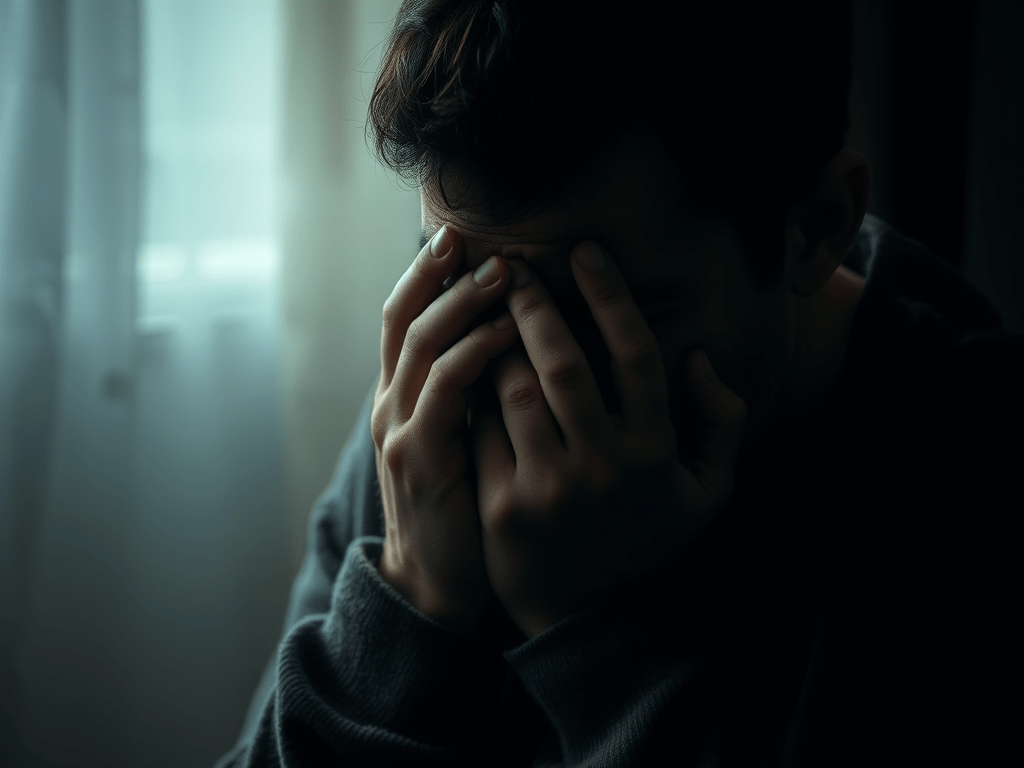
Coping Strategies During Tough Times

As I write this, we are in Day 36 of the 2025 US Government shutdown, currently the longest in US history (#1 and #2 both happened under a certain administration). In addition to the rollbacks of several rights and dignities, handouts of questionable pardons, large-scale layoffs in special education, mental health, food and drug safety, more key positions that keep us all safe, and a general breakdown of decency that have avalanched on top of us over the past year, the US currently faces: 42 million of the most vulnerable Americans who rely on Supplemental Nutrition Assistance Program (SNAP) benefits left without access to food; Affordable Care Act (ACA) recipients (again, the most vulnerable) saw health insurance premiums increase as much as 300% this weekend; An impending chaos as airports, who have already have challenges with staffing shortages and equipment failure, now have air traffic controllers and TSA agents working without pay (could we see certain airspace closed if the shutdown continues?). While people are struggling and suffering, both sides are blaming each other, sometimes with slander and lies – more like schoolyard blame than adults who are supposed to be governing us.

The Vibe is Different”
Working at the Salem Visitor Info Booth, talking to friends and colleagues, and handing out Halloween candy with neighbors this year, one of the conversations that always came up unbidden was that “something” was off this year. “The vibe is different downtown,” said one of the volunteers at the booth. “I just haven’t felt the Halloween spirit, even when walking around the city, this year,” came from a friend that absolutely lives for this season. My husband and our neighbor echoed the same sentiment even as we were handing our candy to small children in costume (and some teenagers not in costume) – probably the exact moment we should have been in the spirit. To everyone that brought this up, I asked “Why do you think that is?” Answers always included some version of “The world is sh!t right now and I am just over it – every day it’s something else to add to the pile and I can’t enjoy the small things anymore.”

Disassociation
My husband and I have stopped watching the news. News articles or headlines are ignored, and we now get our news from discussions with friends (who can deal with reading the news) and through late night talk show hosts giving us the news with a side of humor. This is not an ideal situation, but when news items cause my blood pressure to rise or make me angry, that is directly affecting my health. It feels as if we all have the sword of Damocles hanging over us. Short of living off the grid in the mountains somewhere, avoiding the news altogether is an impossible task.

So what do you do to help alleviate the anxiety, depression, and feeling of hopelessness
and defeat that can come from a situation almost entirely out of our hands?

Quiet Solo Activities
Since childhood, I’ve turned to reading to escape and enter new worlds. While I can enjoy diving into non-fiction I am deeply interested in, I almost always choose sci-fi, fantasy, magical realism, period, historical, romantic, mystery, or literary fiction. These genres, by default, can sweep you away from yourself and your everyday surroundings. I am currently re-reading a series (two trilogies and multiple novellas) that I have loved for years in preparation of the final book that was just released. Going to the library, browsing online for ebooks or audiobooks, and adding to my to-be-read list are also comforts because I know that I won’t have to struggle to find the next read or listen after I’ve finished the one(s) I’m on. This pre-planning will become a theme…

If you’ve seen some of my other posts, you know that I enjoy sewing – whether that’s creating a costume or putting together an outfit for the Info Booth, sewing an orange fleece coat because I couldn’t find one in the store (picture here), making a quilt for a neighbor’s baby, toys for my nieces and nephews, or cabana outfits for an upcoming vacation, I find peace in the planning and execution of a creative project with a clear, tangible, end goal. Even with the most complicated pattern or difficult technique, I am still enjoying the process and can zone out from everything but the project itself. I haven’t worked on anything lately, partly because I gained a lot of stress weight and am in the process of losing it. Every time I think about wanting to start something for myself, I hesitate because I don’t want to create something in the wrong size. I’ve done that before with long projects. Plus, I am still mourning the loss of Joann Fabrics…

I play the ukulele because music is a part of my upbringing and my soul. I haven’t picked it up in a few weeks now (and that makes me sad), but when I can learn a new song or improve my fingering on something, it makes me feel good – and who doesn’t smile when you here a uke?!?

I have always loved puzzles, but in 2013 I started amassing a pile of them. I’m not sure I remember why. I would set them up on a table or on the window seat and spend an hour each day, or a whole weekend day, putting them together, then I would package it up and pass it on to a friend to do. It became a favorite winter pastime to set them up in the window and watch the snow come down while I listened to some LPs (this started as a reason to get up from the chair periodically, because I had to flip or change the record). I created the hashtag #drunkpuzzling for social media and after buying a fold-up puzzle table, made several playlists on Spotify (so I wouldn’t have to get up!). While they are not a frequent as they have been, I finished a Horror Movie one last month (thematic!) and still have a stack of unopened boxes in my office.

When none of the above seems palatable after dinner, and I am left to my own devices to entertain myself, I put YouTube on the TV. Most of my subscriptions are cozy, slow, informative, emotional, and/or quirky things that bring me a little peace and a bit of serotonin. It could be top 10 lists of nostalgic things from my childhood, Golden Girls best-of clips, cooking demonstrations, cocktail history, late night monologues, comedy specials, live performances, sewing tutorials, author interviews, deep sea cameras, drone footage of Hawaii, mythology, Salem trip vloggers (looking for people I know), or it could be a content creator that I enjoy and feel a kinship with. Kathleen Illustrated reminds me of one of my local friends that is a spark of joy in my life. Rachel Maksy is the quintessence of “cozy” with a side of chaotic floor goblin. These are my people! In fact, this video inspired me to take up the next diversion.

Are all gays artistic, or is it just because we knew the Art Room at school was a safe space? I joke, but leaning into artistic pursuits has always been a comfort to me, whether performing, painting, crafting, or just making-up stories. Rachel’s video (and probably some bourbon?) inspired me to order a small travel watercolor set, papers, and brushes. My (again, bourbon…) aspiration was that I would take the kit on our next trip and spend some time relaxing on a beach and painting (Spoiler: I did take it with me, but didn’t paint on vacation – I did paint when I was back home from pictures I took, though). Watercolor is so counter-intuitive to what I had known in using acrylic paints for the past 40+ years (light to dark vs. dark to light; translucence vs. opaque, etc), that I failed in my first attempts and had to buy a few how-to-books to actually learn how to use them. It’s a work-in-progress, but hopefully one I will stick with.

About three years ago, we were both frustrated with deciding what to eat for dinner, so I caved and signed up for a meal service. We have since gone through 4 services in that time – switching each time due to the lack of variety. The last service we had was interesting, but the meals were hit-or-miss. Over the last few weeks, we would opt not to eat dinner over having one of the pre-packaged meals. We ended up wasting food and that made me mad. I downgraded for the month of October (it was too busy here, so I needed the convenience that month) and then cancelled. I signed-up for a 14 day trial on a well-known recipe site for $1. I spent a few hours each day going through the entire 400+ recipe archive, printing anything that looked interesting or matched our tastes, then cancelled before being charged the full fee. I laid the printouts all out on the table by category (meat entrée, dessert, pasta, side, vegetarian, etc) and chose menus for whole weeks. I would choose a roast or some recipe that took several hours and feed 4 or more people to cook on Sundays with leftovers on Monday. I chose a lighter or quicker meal for Tuesdays (a day one or both of us often have other commitments or limited time) like soup or salads. I picked a contrast dinner on Wednesday based on what we had for Sunday/Monday (e.g. chicken, pork or seafood if we had beef for Sunday/Monday). Our friend comes over every Thursday, which typically turned into takeout when we had the meal services, so this was the second meal I chose (after the Sun/Mon decision) each week, focusing on what all three of us would like and varying it over time. I decided to make Friday and Saturday optional (leaving space for whimsy, leftovers, or eating out), with a backup pizza recipe each week – I then made a batch of dough and froze portions for that purpose. Once I was happy with each week’s plan (taking into account Thanksgiving, travel, etc), I clipped them all together and made a cover sheet with a shopping list. This last exercise actually helped me to reorder some weeks to take advantage of buying an ingredient once to cover 2 or more weeks in a row, optimizing value. I’m aware that this all sounds like a lot of work, but it’s that preparation and creative outlet of putting it all together that I enjoy. It also gives me the peace of mind to know that everything is planned from now through the first week of January 2026 without thinking about it again. I’ve automated it. If we like the recipes, they can be recycled into the next plan, or we can start over from scratch again. Like creating something on the sewing machine, this research, preparation and gathering materials is all part of what brings me comfort. In addition, I LOVE to cook. Preparing a meal is another Zen-like task that brings me into focus, and like all of the pursuits above, having a tangible (edible!) end product to enjoy at the end of the labor is a love and a feeling of accomplishment, especially when if brings joy to others.

Coping Together
I’ll leave out the obvious activities (this is not that kind of blog!), but when my husband is not pursuing his solo coping mechanisms (journaling, napping, learning how to create AI videos for school, focusing on cleaning, listening to audiobooks), we watch movies and TV series together, sit and listen to old radio shows, work on our business, plan for vacations (real and fantasy), go to the casino to use freeplay, research things on YouTube, sit and laugh at comedy shows or late night monologues, or just sit and read while sitting next to each other with the cats sitting on our laps. It is easier to cope together, and I am so fortunate and thankful that we have each other as support.

Helping Others Cope
Local food pantries are looking for volunteers to cover extended hours, or for more food and financial donations – if your local grocery store is having a buy 2, get 3 promotion, consider getting extra and donating to those in need. Offer help (directly or indirectly) to someone in need – “I bought too many vegetables/made too much soup, do you want some?” Invite someone who is alone or struggling to dinner. Offer to drive your neighbor to appointments so they don’t have to pay for a ride on top of increased healthcare expense. Spread joy through your actions. Spread laughter. Spread love.

We don’t know how long these troubling times are going to be, or what new trials we may need to face, but if we support each other and come together as a people, we can survive and possibly come out of this better than before.

So… how are you coping?

What makes you feel nostalgic?

Daily writing prompt
What makes you feel nostalgic?

While waiting in line to buy the groceries for the Christmas Day meal we would prepare for the friends we had coming over, I instructed my husband to run 3 aisles down and grab a box of After Eight mints from the endcap.

“Why do you want these?” he asked.

Why? Because for almost 20 years, my parents hosted an open house on Christmas Eve. We would go to 4pm Mass, then come home and receive guests until after midnight, with my Mother and Father hosting all of their friends and family. My Uncle Jack would bring his mystery gift – he had an ongoing bet with his sisters, my Mom and Aunt, that if they guessed what the gift was based on a riddle he would write about it, he would pay their mortgage for a year. We kids, the cousins (9 total) would pour over the riddle to try to guess what it was. No one ever did guess in all the years this contest continued.

My parents’ friends, people we would see only on this night, or monthly, or weekly, were an exciting and eclectic group of co-workers, childhood friends, bandmates, actual family, chosen family, and neighbors. There were years when my Dad brewed homemade beer or there was a specialty cocktail that one guest brought a carafe of. My Mom would spend most of the days leading-up to Christmas Eve making cranberry tartlets, fudge, cookies, meatballs, mini kielbasa cooked in beer, cranberry orange bread, and other delights, and I would always help out in these preparations. This is likely where and why my love of hosting parties started. She had a Christmas tablecloth that we only saw on these two days of the year, and crystal and china that were only used for holidays. I see now the hard work and preparation that all of this took, but also the joy and laughter that these gatherings inspired. We had singing, laughter, and saucy jokes. Of course, as kids, we really only saw the gifts that the guests would bring us (we got to open them immediately!!!) and how the glass of yellow liquid (dubbed “Barbara Giggle Juice”) would make our family friend rosy and giggly, and that a cacophony of singing voices, laughter, conversation, and smiles made our home the most exciting place to be. I remember many a Christmas Eve when I fought to stay up and not be put to bed because I didn’t want to leave that all downstairs, even with the promise of Santa’s gifts in the morning.

One staple at this Open House: After Eight Mints. While certain candies or sweets were kept on the counter in jars year-round for my Dad, or for visitors, these thin, minty, creamy, wafer-thin delights in their own individual envelopes only appeared on this one night. A fancy treat. An indulgence.

So when I saw them 3 aisles over, I knew they were just the thing to have when friends were coming over to fill our home with laughter and love.

The tablecloth was still on the table in the wee hours of the morning when we would stomp down the stairs trying to wake our parents so we could all open presents. What little bastards we were, in hindsight. They were probably hungover and had only gotten to bed a few hours before. Ah youth!

What makes you feel nostalgic?

Writing Prompt: Do you remember life before the internet?

Daily writing prompt
Do you remember life before the internet?

Yes. I’m Gen X.

Well that would have been a very short post…

In junior high school, I had typing class. There was a special classroom fitted with desks holding electric typewriters. Not word processors (my college essays were written on), but electric typewriters, with ink, paper, and satisfyingly clunky keyboards. On holidays, we made typography ‘artwork’ by following instructions (55 “X”, Return, 30 spaces, 57 “m”, etc) that, when finished, created a picture made of letters and symbols. I ended-up Valedictorian of my graduating class (#humblebrag), but typing and gym were my worse subjects by far. The typing teacher would put a piece of paper covering my hands so I couldn’t see what I was typing. I had to rely on the hand placement around ASDF JKL: and ‘feel’ my way to the other letters without peeking. I cheated more than I should have, and regretted it later in life. Today (34 years later), I’m more proficient and can type quite quickly without looking. I wonder what my speed is (remember Mavis Beacon Teaches Typing)? Maybe I could be a stenog!

“Speed Test” from the original Broadway cast of Thoroughly Modern Millie

When we moved up to the high school, there was a “computer lab” full of Apple IIe desktops with files and files of floppy disks (the actually floppy 8 inch ones – do you know how you keep them from being written over? you cut a notch in the side of them…). These machines were relatively new, but just at the end of their lifecycle. The screens were black and green, and the MS-DOS game of Math Rabbit required several floppy disks to be inserted to play. I remember a full screen of ‘code’ just for the machine to draw a square (<run>). By the time I was a senior, I was writing essays and term papers on a Brother Word Processor that looked a lot like the electronic typewriters of years before, but I could type and edit an entire page on a one-line green and black screen before it typed on the paper. It saved on ink and white-out, but today’s kids would have had a very hard time with it.

The World Wide Web went public in 1993, while I was graduating. My small town library didn’t have internet, and neither did the school. When I went to college, there was a more sophisticated computer lab, but you had to sign-up for time to use the computers attached to the World Wide Web, and you had to pay per minute of usage. By junior year (1995-1996), we had email, and all of the machines in the lab were connected to the internet. I remember printing out (on a dot-matrix printer) email from my college boyfriend. Personal computers were extremely expensive. I didn’t have my own until the 2000s.

If you followed-along on my post about my job experiences, the internet didn’t really change my life until I worked at the touring theatre production company. Out of college, I ran a dinner theatre. We didn’t have internet, we had tap dancing! I wasn’t even able to use the internet to find the touring production job. I saw it in the newspaper (in print!) and mailed (by post!) my application for the job. Then they called me on a landline (!!!) to set-up an interview. This all seems SO CRAZY when I’m writing it, but that’s how it was. I didn’t have my first cell phone until 1998!

Anyway, the next job was for a touring theatrical production company based in downtown Boston. There was a Cellular One store two doors down (later CingularOne, then AT&T), and on a lunch break I went an purchased my first Nokia phone (indestructible!) with the number I still have 25 years later. I still didn’t have internet. The phone made and received calls, and could keep my calendar. While we had computers at our desks, they ran DOS in a closed system that tracked reservations and ticket sales. After a year of being in the office, I discovered there was one computer in the corner of the office connected to the internet (dial-up). The owner had set it up because someone told her it was important, but no one used it. One day, she asked if I knew how to use this “web” thing. I went in every chance I got to look for discounted show tickets, travel deals, and venue research for her. A year later, they gave us email and connected all of our CPUs to the internet. They gave us a day to ‘get used to’ to internet and to play around. Our office manager, a longtime user of newspaper personal ads, found the online ads and loudly proclaimed; “They have ones for you!” As a gay single man in an office of young straight females, I was suddenly the center of attention as they all crowded around my computer to see what the gay ones looked like. I don’t know if you’ve experienced Yahoo personals in 1999, but they were…specific… and graphic. After 2 or 3 “Daddy looking for a pig bottom” and “CD for a…” they all ran away. I looked at a few more and one popped-out at me:

Life is a banquet and most poor suckers are starving to death

Auntie Mame

A quote from Auntie Mame? My favorite movie of ALL TIME?! Then it went on to say that they were looking for gay friends, wanting to explore the city, etc. I was living, at the time, in South Boston with three straight single women. Every night it was Will & Grace & Grace & Grace. If we went to a club or a party, they got free drinks from sleazy guys wanting to get with them, then I was the ‘boyfriend’ at the end of the night if they didn’t want to take them home. Sometimes they would all come home with someone, but I was always alone. Though the ad said “looking for 25 and older,” and I was technically months away from 25, I wrote to him, which started a months-long correspondence.

SPOILER ALERT: That man and I are celebrating the 24th anniversary of our first date later this year, and just celebrated 9 years of marriage.

There have been dark times brought about in my life because of the internet, but since I would not have the life I have now without it, I can forgive those moments. I use it almost constantly for work and for personal use, and you are using it right now to read this story. How insane is that?

So… do you remember life before the internet?

Translating Experience

Daily writing prompt
What jobs have you had?

The writing prompt is “What jobs have you had?”

You say “Jack-of-all-trades (master of none).” I prefer “Renaissance man.” One is a cut, the other a compliment (of a sort).

I started my work experience at the age of 15. After many years of obsessing over every movie musical that came on television, or I could get at the video store (we are talking 1989 here), I decided it was time to take tap dancing lessons. The local dance studio was only a mile from home, near my Aunt’s house. At the time, a family friend, her daughter, and my cousin all had 2-year old toddlers (yes, one was the uncle to the other, it was a surprise to everyone!). The grandmother/mother of two of them lived 2 doors from my Aunt. I became babysitter to one of them on several afternoons and all three once a week. I used that money to enroll in classes down the street. From this, I learned patience, entertaining a tough audience, perseverance, conflict management, and how to care for another human being.

At 16, I started work at a family-owned small convenience store and deli. Looking back, I cherish the time spent there. It was truly being in a second family, I got to know the regulars, I learned valuable skills in retail, point-of-sale, merchandising, cooking, customer service, time management, and working as a team. For some reason, this small store became a central hub for Swedish and Scandinavian specialties, especially at Christmas. The owners were not Scandinavian, but they embraced this niche. We sold lutefisk (frozen, I called them porcelain fish for the sound they made when they hit the counter), made spice bags for Glogg, sold Cardamom braids (yum!!!) and Lingonberries, and made Swedish meatballs decades before IKEA made it to Massachusetts. We were so busy that former employees would come in to help during the season, making it even more of a family reunion party atmosphere. The store has been gone for many years, but a few of us still wax nostalgic at the joy we feel when smelling cardamom when it gets close to the holidays, or we think of stealing cookie dough from the freezer.

The summer before I left for college, I joined the Avon Parks & Recreation Department as a counselor at the day camp run on the high school grounds. It was free for residents and included open play, crafts, and sports for most of the day on Mondays, Wednesdays and Fridays, with paid field trips on Tuesdays and Thursdays for certain age groups. Building on my babysitting skills, I honed patience, entertaining a tough audience, perseverance, conflict management, crafting, pedagogy, security in crowds, and emotional support/encouragement. The kids were 6-16 years old, and in this day and age, I can’t imagine them being left in the care of semi-untrained teenagers and young adults.

In college, I held two very different positions. For the first 2 years, I was a “Script Librarian.” We had a closet full of theatre scripts with a very small desk in it. Students could come and borrow and script, or set of scripts, for use in their classes or performances. I sat there and catalogued, itemized, and tracked them all. The copious amounts of downtime gave me ample opportunity to read through most of them, which came in handy when I was advising younger students on where to find an audition monologue or scene to stage. For my last 2 years, I was a “Safety Escort.” <hold for snickering> My college had a “boozer cruiser” – a 10-passenger van that drove students around the campus at night for free. You would call the dispatch (a lonely room in the campus police building) and the van would drive you wherever you needed to go on campus. Driving around was fun, because you got to be out and interacting with other students (even if they were drunk or high). It was always entertaining. Being in the dispatch office was creepy and lonely, but that’s when I could practice lines or dance steps. Being a theatre major, I had a lot of late nights rehearsing, then I would pick-up the 12-4am shift. When I was in the dispatch office, someone would call at 2am and I would answer the phone in a husky, sleep-deprived, sung-too-much-in-rehearsal bass: “Safety Escort, how may I assist you?” More than once, I had a drunk student (both sexes) purr at me and ask if I was the one picking them up. From this job, I further developed customer service, conversing with strangers, safe driving, dealing with difficult customers, how to save a drunk girl from getting into a dangerous situation, and using humor to diffuse tense situations. I relished the alone time in the van between pickups and at the dispatch office, but also the constant entertainment of the customers in the van.

For the summers between my Freshman and Junior years, I was a Meter Reader for Bay State Gas (now National Grid). My father worked there for over 40 years before he retired. I enjoyed commuting with him, and getting to know his colleagues those summers. Typically, the full-time readers would give us the worst routes, or a collection of unattainable readings over several routes (basically the sh1t jobs). Most of the time, I dealt with basements filled with dog poop, possible crack dens, lousy neighborhoods, and belligerent homeowners. Once in awhile, I would get one of the coastal towns of Scituate, Hingham, or Hull, where you walked along the beach to read the meters of cottages. Those were the best days. I remember reading the meter at La Salette Shrine one day, and sitting in the parking lot to eat my lunch. All of a sudden, a priest opens the passenger door and gets in, saying: “Hello my son, would you take me to the store?” This was strictly forbidden in the company truck (natural gas powered, of course), but I was raised Catholic and convinced my Mother would somehow know if I refused, so I took him on his errand. From this job, I explored a lot of the South Shore of Massachusetts, learned to deal with difficult people, to navigate the bureaucracy of a large corporation, that summer help are slaves, that unions are great, but sometimes protect those that shouldn’t be there, how to survive walking miles in the summer heat, how to cheat by saying you couldn’t get into a house that creeped you our or made you feel unsafe, and gave me an appreciation of all my Father did to take care of us.

Between Junior and Senior year, I attended a summer stock cattle call audition. Several local and regional troupes attended and made offers based on one 90-second song audition. I had some less than favorable offers, but was determined not to work at the Gas Company again. After turning down a troupe that paid nothing, a friend of my roommate called to say her friend needed guys that could dance. I drove out to Scituate (one of my favorite routes for meter reading) and auditioned for Showstoppers Dinner Theatre. Doug, the owner, producer, and sole employee, asked me to do a time step and sing a bit of a song, then hired me on the spot to be a sailor in Anything Goes. We would rehearse for 3 weeks and have 4 weeks of performances. During the first rehearsal in an unairconditioned church hall, we learned the choreography for the 88 counts of 8 that made the big dance number of the title song. That show kicked my ass and I lost all body fat and leaned-down to the best shape I’ve ever been in. Halfway through the run, I found out that 2 of the ensemble were here from Ithaca and that Doug had found them a place to live and a part-time job. I told him I needed a job, so he hired me to assist him for the rest of the summer. I painted and constructed sets, pulled costumes from storage, cleaned dressing rooms, worked in the box office, coordinated meal orders with the kitchen, acted as maitre’d, host, bus boy, and greeter, tour bus coordinator, usher, prop master, and sound and light engineer. On top of that, I was rehearsing and performing in every show. I was there at 8am every day and leaving at 2am most days. I was in heaven and I miss it so. The pay was below minimum wage, but I didn’t care. I assisted with choreography and vocal rehearsal for a children’s summer production of Joseph and the Amazing Technicolor Dreamcoat while also performing 3 of the adult roles and running spot light and front of house. I co-developed and ran an after-school program for kids in one of the local schools and still performed in 2 productions and a tours to New Hampshire, Colorado and Florida while still attending my senior year of college, and when I graduated, Doug made me Associate Producer full-time, where I ran most things on my own so he could spend time with his family, assisted with another summer kids production (this time only with one dance number to fill-in for), more after school programs, and more tours. At the dinner theatre, I would sell the tickets, greet the guests, seat them, bus tables, change into my costume, perform, change back to my suit to work the dessert course during intermission, go back to costume to perform the second act, then back into the suit to escort the guests out, or perform in the post-show cabaret in the lounge. The lessons learned here were myriad, and it would take too long to list them. Work ethics, loving what you do and doing it well, having fun while you work, building relationships with colleagues and customers, and hard work were the cornerstones. It was exhausting, exhilarating, and the most fun I’ve ever had in a job before or since. I was overpaid and underworked and I would do it again in a heartbeat.

After 2 years there full-time, Doug moved us to a new restaurant partner in a new location. Unfortunately, after less than a year, they stole money from us, locked us out of our theatre, and thus started a legal battle. I was out of a job while they went to court, so I went looking for something, anything in the arts. I landed at a theatre production company in Boston. Well-established in the educational theatre space, they specialized in producing touring theatrical productions geared toward middle and high school students. We offered them shows that included 5 short stories of American classics dramatized with a cast of 5 actors, full sound, lights and sets. My initial job was to contact and coordinate the technical and financial specs of the theaters and halls across the country to build the tours. I was there for about a year (2 seasons) when I was recruited to move up to assist the Artistic Director. In that role, I coordinated casting calls in NYC, Chicago and Boston, worked with the Producer on hiring the actors, negotiated contracts and temporary housing, scheduling rehearsals and playing referee/translator between the Producer and Artistic Director whose relationship was well established, yet strained and complicated. At the heart of the entrance to the office and the bullpen of reservationists, I was the de facto receptionist, back-up reservation coordinator, and back-up assistant to the Producer/Owner/Founder. Aa Tony-winning Broadway producer, she was difficult and not easy to please. Handling the two strong energies between them, and handling everything she threw at me, gained me a status that granted me a lot of perks and a lot of extra responsibility (with none of the compensation). She went through 4 personal assistants during the 7 years I was there. During that time, I was the backup assistant, and guided each of the new assistants through their training and pitfalls, called during vacations for inane tasks that could have been handled by her assistant, sitting in the car so her nanny could come use the bathroom without parking the car or waking the baby, screening calls she didn’t want to take – you’ve all seen Devil Wears Prada – it was similar. From this job, I learned how to deal with difficult people, how to deal with celebrities, copyediting scripts, the politics or Broadway, dealing with egos, dealing with actors, dealing with stagehands, dealing with Teamsters, booking travel, booking and re-booking discounts for millionaires when you can’t afford to eat… and the list goes on. I did get to see a lot of free shows in Boston, and made friends with a lot of the local critics and producers, but in the end, the tension and working environment was toxic and it had to end. I still talk to other ‘survivors’ of our time there.

After asking me to do something she had no right to ask, then firing me for mentioning this to her, then trying to take away my unemployment benefits (she lost, and tried and failed the same thing with everyone since then), I landed a job at a music booking agency because of the very skills I learned from the last job. This agency specialized in Jazz and World Music artists. They were well established in the US, and had a strong footing in Europe, though there were many boutique agencies in the US and Europe that they competed with. I was brought in to assist two female strong-willed agents that could not/would not work together in the same way – sound familiar? I was to assist them with their bookings and keep the peace/translate between them. Their styles were diametrically opposite and that exacerbated the disdain and frustration they felt with each other. It was toxic beyond toxic. They tried to play the outgoing assistant against each other and drove her away. Being well-versed in this behavior, I jumped in and kept it all afloat and sorted. After a year or two, one of them left (the nicer one, obviously), and I continued assisting the remaining one, eventually taking-over some of her territory as a junior agent. She was NOT happy about it and only relinquished the territories she didn’t want. When the owner gave me some of her “friends” (she thought that, they definitely did not) as clients, and they immediately warmed to me, she complained and demanded to take them back, giving me her other undesirables. I grew my territory and the owner gave me more and more responsibilities and territory. Her rough American pushy nature ruffled a lot of feathers in Europe, so many of her remaining clients preferred to talk to me to finish deals rather than listen to her “show me the money” demands. Artists’ managers called to talk to me when she wasn’t around. I was my own agent, but acting as her assistant because of her manner. She eventually screwed the owner by starting her own agency under his nose and stealing several clients. Suddenly, I was the only agent for Europe, Asia and Africa. We hired other agents that came and went, but over 11 years there, my territories shifted and changed to a rag tag disconnected collection of problematic areas. Wars, financial collapse, political upheaval, visa issues, and an aging clientele brought a steep decline to my carved-out territories. Having seniority (read: pay scale) and the worst-performing territories (read: low income) = a buyout to leave. Having been burned before, the owner’s stipulations included that I could not discuss my departure, and could not work in the industry for one year. I gladly accepted following one of the last shows I booked. Maybe one day I will tell that story here, and though the artist has passed on, there could still be implications if I made it public. Stay tuned….
From this job, the longest of my careers so far, I learned a lot about deceit, back-stabbing, pettiness, slavery (I was, literally, selling people), overpromising, and the Artist as a commodity (the finances of a world-renown jazz vocalist will break your heart when you work out what the contract pays vs. what she actually takes home vs. what her managers take home). It’s not all negative, I also learned a lot about contract language, copyright, international travel and visas, currency exchange, high-end performance technology, riders, working with difficult people, customer service (for buyers, performers and managers), conflict resolution, conflict mitigation, interpersonal relationships via phone, email, and in person, professional travel, trade conference presentation, marketing, sales, website and software design, and how to decompress/separate work from home life.

I started this blog during the transition from the agency to unemployment. I had received in the mail my first digital SLR camera on the same day I was bought-out, so my first post is a collection of photos I took trying out the features of the camera on my first day of unemployment. I stated at the beginning that I wasn’t sure what this would be, or where I would be going. Several of my Artists and Managers reached out to me to offer me positions and to ask my advice, and I had to tell them why I couldn’t. The truth was, I didn’t want to be in that world anymore. If I could tell you that last story, and you knew my family background, you’d understand. (Hint.)

After months of looking around for my third (5th?) career, I had an interview at Harvard Medical School that I had heard about from a friend (a former actor from the theatre company, actually). I had never considered academia – all of the positions I had been applying for were in the Arts, Event Planning and Customer Service. This job wasn’t a good fit for either of us, and both the interviewer and I knew it, but my husband happened to mention it to his colleague that I was there that day. His colleague’s wife worked in HR at MIT at the time, and asked why I hadn’t reached out to her. The truth is, I hadn’t thought of it. I thought I wanted non-profit in the arts, not in academia. While she had nothing for me, she suggested where I should look on the MIT campus. I landed at a very small office where…you guessed it… there were two strong women, slightly at-odds and not listening to each other, running the show. I met with the operations manager first, who grilled me on what I did and didn’t know. She brought me in to meet with the Executive Director, who loudly proclaimed “I don’t know why I’m meeting with this guy!” from her office (within earshot) only moments before sitting down to interview me. I was not hopeful, but after a month of silence, they offered me the job (after their first choices didn’t work out, I later found out). The HR manager, in my offer call, asked if I had any concerns. I told her that I was concerned that I’d be the stupidest one in the room. She assured me that the entire Institute was run by former theatre majors keeping the smart people running, and that I was desperately needed. I’ve been at this job for 6.5 years now, the longest of any of my colleagues besides my boss. She has since drastically changed her view of me from that first meeting to constantly proclaiming: “what would I do without you?!” While I did not have domain expertise (the US Healthcare System and all its flaws), I have had to tap into and hone nearly all of my previously learned skills of customer service, time management, working as a team, navigating bureaucracy, patience, resilience copyediting, contract language, copyright, travel, working with difficult people, customer service, conflict resolution, conflict mitigation, interpersonal relationships via phone, email, and in person, trade conference presentation, marketing, sales, website and software design. To that, I used my theatrical production skills for event planning, event material production, front-of-house management, A/V needs, and run-of-show planning for our highly complex multi-dimensional workshops. I also have become proficient in PowerPoint, as it is a tool used daily in our work, The domain content is slowly seeping in, but only enough to keep me from not being completely lost in conversations. I know the history, the players, and where all the bodies (files) are buried, so I’ve also become a repository of the things that may have fallen through the cracks.

Things are constantly changing in this job. I don’t know which previous experience gave me the ability to nimbly switch from one topic to another, or to completely change course on a plan at the drop of a hat, but it’s there, because that is the nature of the position I’m in now. Was it babysitting toddlers? Was it the dozen-or-so positions I filled every day at the dinner theatre? Maybe it’s inherent in the non-linear path of my work life?

I know this is a rambling post, but the prompt intrigued me, especially when I looked back at the strange, seemingly disconnected path that lead me to where I am now. I hope you will take a moment to look back (or forward!) at your career path and see where your experiences can be knit together to make you the ideal candidate for any job you want, regardless of how the requirements of the position are worded. Translate your experience into skills needed for that job, especially if it’s not obvious from what they see in your CV.

So… what jobs have you held?

Perspective, Connection, Acceptance

Don’t overlook or devalue the highlights of life,
Blind from the deep shadows of the darker times.
Varying in magnitude, or existing in perfect balance,
Cherish each crest and dip simply for being
And celebrate your ability to experience it
.

A stream-of-consciousness list of corresponding emotional points over the last 10 days (May 14-23, 2023):

Mother’s Day, this year, happened to coincide with the 4th anniversary of my Mother’s passing. We were coming home from a weekend away with friends and I chose to quietly honor her memory by myself and not remind others about it. I avoided social media and threw myself into sewing and cleaning once we got home.

After a routine colonoscopy discovered an aggressive form of colon cancer attacking my brother, he went in for surgery to have it removed one year ago today (May 23). The procedure took longer than anticipated, but, by all accounts, was successful and the surgeons were confident they removed all of the cancer. We were all hopeful and thankful. A few hours later, I received a phone call to tell me that he had not woken up from recovery and was non-responsive. He had suffered a massive stroke, but since he was in recovery from the surgery, they were not sure how long his brain had been without oxygen. When they revived him, the cancer care was put to the side while they focused on recovery from the stroke. Months and months of physical, speech and occupational therapy have both shown results and taken their toll, emotionally and financially. Last week, (the Wednesday after Mother’s Day) his PET scan showed that the cancer has metastasized to the lungs, stomach and pelvis. Stage 4. Terminal.
We were all devastated. Within minutes, I had flights and a hotel in my cart and had talked to my boss, but his wife said that they would come up here to see as many people as possible, rather than having people come there. Whichever path he chooses going forward, I will respect it and celebrate his life while he is here to celebrate with.

Last Friday, I went to celebrate a friend’s birthday at Kowloon. We share a love of rum and mid-century pseudo-Polynesian Tiki kitsch, so I was excited to go, especially since the owners had recently announced they were looking to sell the iconic property to a developer and downsize the business to take-out only. It was a fun and wonderful evening, even when we acknowledged it was the anniversary of a friend’s passing 2 years earlier. She had passed very suddenly and unexpectedly, leaving her spouse and small child.

Saturday, I took part in a cabaret fundraiser for the local YMCA. We were raising money to assist children in attending their after school arts programs. It was a fun, “let’s put on a show” – Judy Garland & Andy Rooney kind of affair – a great distraction, and it was wonderful to be on stage again after so long. Our friend’s child takes part in this arts programming, and while it was wonderful to see his filmmaking, and to witness what an amazing, compassionate young man he is becoming, it made me sad to think of his mother not being there, and how he and his surviving parent must feel that emptiness in these situations so keenly.

Sunday, I volunteered for the first ever Salem Cat Scavenger Hunt. I walked around town (14,000+ steps!) assisting teams with hints when they were stuck on clues, and acted as a “bonus” item for anyone that took a picture with me in my cat shirt. Again, it was another welcome distraction from the emotional rollercoaster of the preceding days – this time without a sad undertone. Talking to visitors and hearing their perspectives and thoughts is what brings me back to doing this kind of volunteer work, and cat people (we have 2 now) are a . . . unique, passionate, and quirky group. It was a busy and tiring weekend!

Yesterday (Monday), my husband called me in the middle of the day – a rare occurrence, since he is a teacher and should have been in class. He, very calmly, said to me:

We just had an announcement that there is an active shooter on campus. We were told to ‘get down or get out.’ You never know how these things will go, so I was calling to tell you I love you. The students fled and I am gathering my stuff to leave.

When he hung up, my heart dropped into my stomach and I began to shake. I pulled his contact up on my screen and refreshed the location feature constantly. After 5 minutes of watching his locator not move from his office, I was frantic. He texted me to say that he couldn’t leave. He had tried to go down the stairs, but heard someone yell “Get down on the ground!” below, so he quietly walked back to his office, locked the door, and turned off the lights. For over an hour, neither of us knew what was going on. He was alone and isolated in a dark room with the potential of harm or death at any moment, his only connection to the outside world through text. I was alone in our condo trying to find news reports, waiting for texts from him, and updating the half dozen individual and group chats of friends that had heard about it. In the end, it was a hoax call (swatting) that escalated when a local officer’s gun went off in one of the school bathrooms accidentally. Suddenly, a few local policemen were joined by other town police, a SWAT team, and the State police. He was stuck in the dark office for over an hour while they swept every building, gathered everyone up and escorted them to a central location. We are both home today. He because classes were suspended to make time for counseling and planning; me because I want to be here when he needs to be hugged or needs to talk about it.

He tells the story from his perspective eloquently and in the same calm voice he spoke to me in.

Perspective:
I am (relatively) healthy. My husband is alive and by my side. I am lucky.

Connection:
We have friends and family that care about us and that we care about. Shared experiences and interests can connect us, even if we are strangers.

Acceptance:
Death is inevitable. Safety is never guaranteed. Life/plans/priorities can change in an instant. It can be caused by a medical test, a phone call, a decision made, or through the actions of others.

Online Happy Hours

Probably, like me, you thought Virtual Happy Hours were a good idea for keeping-up morale and for giving a forum for casual, non-work conversations. It was a place for the water cooler talk, where you can catch-up on gossip, and maybe overhear some tidbits and gain insights into projects you were all working on separately.

For us, the first few went well and were fun for everyone participating. Then Zoom Fatigue kicked in, and the last thing anyone wanted to do was to spend even more time in front of the computer, even if it was for a (some would consider forced) social call.

When we started, it was great to see and interact with those colleagues that I didn’t directly work with, but had shared an office space with in The Before Time. We all had stories to tell, and lots to catch-up on, so it had an easy, casual flow to it. As the instigator, I felt as though I always had to host this virtual open house party, so I would diligently pour myself something to sip, fill my water bottle, adjust my lighting, and sign on early. I would minimize the screen and continue working on a project until someone else signed on, or I would completely shut-down work so I wouldn’t look at it, as if we were actually meeting at a bar.

After an initial success, attendance eventually dropped down to the same 3 or 4 of us. Two of us saw each other several times a day, so we relied on others joining. Sometimes there was an existing work tension between some of the people that logged on. In a larger group, that would have been diluted, but more than once I was the the one on the virtual bar stool between two warring factions. I was Switzerland. When it became the same group every time, we started cancelling them more often, making them less frequent, or tried to change the day and time to accommodate others. When that failed, they just ended.

There are a few valuable lessons and skills I observed while hosting these drop-in sessions that can work to make awkward social gatherings (virtual or otherwise) FLOW better for everyone:

Facilitate the discussion. Be the unobtrusive host, if there isn’t one identified. As an extrovert surrounded by introverted friends, I have learned how to keep parties going by identifying those that would be comfortable engaging in conversation, and sprinkling seeds about things they get excited or talkative about. Bring like-minded individuals together by bringing-up something you know about each of them that they didn’t know they had in common. Coerce a story you may have heard a million times out of someone in front of a timid audience that hasn’t heard it. Don’t force, but facilitate smooth, relaxed conversations.

Listen when someone is speaking. This seems like a no-brainer, but so many people are bad listeners. We all know someone that loves to hear themselves speak, or lives to one-up every story. They are typically the ones that ask “How was your weekend?” only so they can tell you about theirs. You can see them waiting for their turn to talk. In a Zoom meeting, you can see everyone (in gallery view) at the same time. That means that when I am talking, I can clearly see you checking your email, texting or playing a game on your phone, or talking to someone off-camera. Think of how incredibly rude it would be if we were all in person and you opened your laptop or started playing a game on your phone in front of the person talking. Just because this is a social situation, and you are interacting virtually, doesn’t mean you have to be disrespectful. Listen to each other and be present where you (virtually) are.

Own what you say, be open to new ideas and respect other’s opinions. These go for everyone at any time, not just at happy hour. Again, you’d think that this is pretty easy and straight forward. If you are going to state your own opinion, then make sure you mean it, because others will disagree or have differing opinions they will share. Don’t spout off some popular opinion that you don’t really believe, as you may just get called on it, and don’t be absolute in your opinions. If you say “Grape jelly is the only appropriate choice in a peanut butter and jelly sandwich!” you had better be sure about it because someone else will say “No, strawberry!” or “Almond butter and orange marmalade is better.” be respectful and open to other opinions. (To make this ‘argument’ more realistic, insert ANY political opinion)

Work should stay AT WORK. This is a hard one. Think of What Happens in Vegas Stays in Vegas. – use this time to unwind from work. Don’t use this time to complain about your job, or, more importantly, about other workers. Unlike the aforementioned Vegas slogan, what is said in the (virtual) bar, could easily find its way to the office – to a boss or to the one they are talking about. This should be a time for office bonding. It is acceptable to bond over workloads, or Mondays, or long weeks, etc. but steer clear of specifics, especially if they could break bonds. Two people complaining about a co-worker with three others over drinks could easily become five against one when everyone returns to the office. That’s not the type of bonding you want. Stick to non-work discussions.

Have you hosted or participated in a virtual social situation for work? With the holidays coming up, I assume most of us will be forced to attend at least one. I’d love to hear your thoughts or any tips and tricks you’ve learned in the comments below.

Bartender! Another round, please.

Quarantine Staycations – Part 1

In an earlier post from April, I offered advice on creating a “Verifiable Weekend” while working from home by either creating or breaking routines (if you missed it, I suggest taking a look at Making Time When It All Blends Together – the weekend section is at the end). With all of our travel plans cancelled and the inability to leave (or return to) the state without a 72-hour COVID-19 negative test, health attestation application, or 14-day quarantine, I have not really thought about taking vacation time. As the end of Summer looms here in New England, and as the Zoom fatigue starts bearing down, however, maybe now is the time to take some time away. I blocked time in my boss’ calendar to make sure she took some time off to de-stress and re-center. I should do the same for myself, and so should you.

Where to begin?

Planning:
The key to any successful trip, in my opinion, is very careful planning. I chose those words intentionally – I am not saying completely planning every moment1, but thinking strategically about the entire trip and being carefully selective in planning key elements. Taking the time to research and make these plans ahead of your vacation will ensure that your time on vacation is spent relaxing and enjoying yourself.

Part 1: What if you have to stay at home?

Think of your space differently:
If you have been working from home like some of us, you likely have a room, or just a space, where you work remotely. Plan to erase all signs of work from that space when it’s time for vacation. Put your laptop, notebooks, files, coffee cup, pens, lamps – whatever you added to that space to make it a workspace – into a closet or someplace where it is out of sight and out of mind. You want to be able to use this space during your vacation, and don’t want to be reminded of work. Reclaim it for relaxing. Set-up a puzzle, or a complex board game, or tools for a new hobby on your desk. If you’ve taken over the dining room table for working, make sure it’s cleared and use it for it’s original purpose. Eat all of your meals there2.

Change your bedroom into a hotel room by ordering a new set of sheets or duvet cover online, wash them, and wait to put them on until the morning your vacation has officially started. It’s like you’re in a new bed! Put some water bottles and a magazine or two by the bed, and maybe add a bottle of champagne in an ice bucket on the dresser. Plan to “make it an early night” (wink wink) one night and open that bubbly, or plan to wake up on one of the mornings and stay in bed being lazy with a magazine and a mimosa. Make an agreement on who is going to make the coffee and bring it to the other – maybe you switch each day. Order some luxurious bathrobes that you don’t use until the vacation. Spend your lazy day wearing nothing but those robes. If you have the space (and the physical ability), re-arrange the furniture so your bed is in a different spot. If you have the luxury of owning a guest room, stay there during the vacation The idea is that you want to make it not feel like your every day experience.

Turn your bathroom into a Spa. Like the sheets and the bathrobe, maybe you can order a plush set of new towels. They could just be a new color. If you want to go whole-hog, buy a new shower curtain and bath mat to match. Once you have these things, they can be integrated into your everyday or saved for special staycations in the future – either way, you will associate the fond memories made during this time with these items every time you see them. The night before your vacation starts, swap out all of the soap, shampoo, toothpaste and mouthwash with travel toiletries you’ve collected from hotel rooms in the past. If you don’t have any – order some fancy sample-sized bottles (try Ulta, Sephora, Aveda or this guide). Pull all of the facial masks, nail polish, scrubs, bubble baths, and other unused products out from under your sink and use them! Give each other a massage or paint each other’s toes.

Think of food differently:
You may have noticed that I included your coffee cup in the list of things to hide earlier, and I mean it. If you drink from the same mug every day at your “desk,” then hide it and use a different one during your vacation. Do you have unused china tea cups and saucers in a cupboard? Use them. Why not change your coffee brand or blend for this time, or switched to iced coffee or tea? Your morning brew isn’t the only thing that can receive an upgrade. If you do have a set of dishes that is only used for special occasions, use it for all of your meals. This is a special occasion, and you’d be surprised how a plain old lunch sandwich can look right-at-home on an antique Royal Doulton gold-rimmed salad plate!

If you have the money (and you might, since you are saving so much in airfare, hotel, and other costs!), plan to order delivery for every dinner. Think of it as Room Service. Alternately, you can pre-plan most of your meals by prepping them in advance, start a trial meal subscription service to coincide with your vacation, make your own box based on a recipe you’ve been wanting to try, or find a complicated or time-consuming recipe that will give you a chance to work together in the kitchen preparing the meal. Try your hand at making croissants from scratch. The process can take 2-3 days (mostly downtime), and on the day they are baked, plan to enjoy breakfast croissants with jam, picnic sandwiches on croissants, and maybe a croissant bread pudding for dessert that night. Can’t think of meals? Research the menus from your favorite restaurants, or ones that you’ve always wanted to go to, and try to re-create a dish that intrigues you. When planning any this out, think of clean-up. There is no maid coming in to clean your room every day, and you don’t want to spend most of your time washing dishes.

Do you ever make Brunch at home? If not, now is the time to do so. Similarly, if you skip breakfast during the work week, think of taking the time to make yourself a full breakfast – pretend you’re at a diner and make some eggs, bacon, toast and homefries. Now is the time to indulge in a doughnut or bagel from the local bakery. Dust off that waffle iron you’ve barely used, or prepare an overnight breakfast casserole that you can slip in the oven while you are making coffee to bring back to bed for your loved one.

Turn lunch into a picnic, even if you don’t have an outdoor space. Picnics can be romantic (and bug free) in the living room, in bed, or on the floor of the kitchen. We have 2 parking spots behind our condo, and we’ve been using the empty one lately as a patio where we set-up beach chairs and sit with our coffee or read a book. And, I don’t think I really need to give you permission, but remember: You are on vacation, so wine, beer and cocktails (especially fruity or frozen) are acceptable during any waking hour of a vacation. A Mimosa or a Bloody Mary during breakfast/brunch, wine with lunch or dinner, a preprandial and/or postprandial cocktail, or a nightcap are all acceptable (in moderation – best not to include all in one day – don’t overdo it). Invest in some proper glassware3, decorations and garnishes if you are going for something tropical. Find a few new drinks to try. I highly recommend diving into a few episodes of How to Drink.

Think of activities differently:
What types of activities do you usually do on vacation? Do you go to theme parks, camping, hiking, site seeing, or maybe for a cultural experience? Try to find correlations in the activities you are able to do while confined to home with your favorite aspects of your typical vacation.

Keep in mind these three tenets of successful quarantine staycationing:

Enjoy this time off from work: You deserve it.
Relive and cherish the memories of past vacations.
Do not dwell on the fact that you cannot be there right now.

If you do find yourself becoming depressed, start to plan your future trip. Even if you can’t book a date, you can start to make a list of what you want to do, and start a budget to be ready for that moment when you will be able to take that dream vacation.

If your typical vacation revolves around a theme park, really think of what it is that you most enjoy during those trips. Is it the food? The entertainment? The attractions? The togetherness? The food can be recreated (even Dole Whips) with just a little effort. Try making one of your favorite special treats. Find a playlist online of the theme park’s music and play it while making and eating these treats. Look through those photo albums that you made that are collecting dust on the shelf (or the 137 photos and videos you took on your phone last time) and re-live those memories (or live vicariously through someone else’s). Find videos of the parades, rides, or fireworks that you love and watch them together.

If your typical vacation involves camping and hiking, see what national parks or campgrounds in your area are open and accepting visitors. Pitch your tent in the living room (or make one out of blankets) or in your back yard. Turn off the lights and turn on a personal planetarium while you tell scary stories around some candles or a flashlight. Turn off the air conditioning and open all the windows to listen the sounds of the outdoors. Get a field guide of local flora or fauna to identify things in your neighborhood, or download a mobile app to track local bird sightings in your yard. Spend most of your time outdoors, including meals. If the weather doesn’t cooperate, or you are forced to stay indoors, use this time to plan your next adventure. Research a National Park you’ve always wanted to visit, or read accounts of hikers on a trail you feel you aren’t ready for. Work on a puzzle of a place you have been, reliving stories from that trip, perhaps while listening (or creating) the ambient sounds of that location.

If international travel is your raison d’être, spend your time at home immersing yourself in a culture you either have experienced, or wish to. Learn the language, or, if you are already fluent, work it into your daily speech. Try your hand at the cuisine, taking care to research regional specialties and new ingredients. Watch movies or television from this culture (subtitles optional), read a biography of one of their most influential residents, listen to the music, search for an online museum where you can view the art and history, study the map to find interesting regions or towns to research, and take notes in a journal to reference when you are finally able to visit these places.

If a quick weekend in NYC is your go-to vacation, sign up for a free 7-day trial of BroadwayHD, make yourself a sausage roll (extra onions), listen to some live jazz, do some online window shopping (with or without breakfast), watch Sex & the City (or any of these movies – be sure to pick a few from different eras), take a drone flight over your favorite neighborhood, visit the Met, the Guggenheim, or the Statue of Liberty, and put this on in the background.

Think of clothing differently: 
If you’ve been wearing pajama bottoms with a dress shirt and tie for your video calls at work, change things up by wearing actual matching clothes. Think of what you would pack (or go ahead an pack) in a suitcase for your typical vacation. Make it a game by choosing your possible outfits before the vacation, and then only allowing yourself to wear those clothes you’ve “brought with you.” Don’t forget a bathing suit for the pool, or evening wear for the elegant dinner you were planning. Maybe it is warm where you are, but you were planning a cruise to Alaska: crank-up the A.C. and put on your winter clothes indoors (don’t forget your scarf). Or maybe it’s winter, and you were planning a Walt Disney World trip to Florida: turn-up the heat and wear your shorts, tshirts, and bathing suit indoors. Often, people buy new clothes for a vacation, especially for cruises. Think about where you are going, and what you might need to buy. Maybe you need a sarong or a cover-up for the cabana, or big floppy hat for the beach, or some appropriately themed accessories.

In conclusion:
However you spend your time away from your virtual office, remember to enjoy yourself. Vacations are a privilege, but also a reward for the hard work we’ve put in. Make the most of what you have and what you can do, but do it for fun and for relaxation.

I hope these suggestions and tools will help you to make the most of your time off during these difficult and uneasy times. If you have suggestions or ideas of ways to enhance your own staycations, please comment below. And if you take any of my advice, I’ve love to hear about it!


1 Our Disney friends all know about my “Psycho Disney Day Planner” – a spreadsheet that is customized for each trip that plots out each day in 30 minute blocks where we can insert dining reservations, FastPasses, parade or show times, park hours, confirmation numbers, flights, and other details all on one page view. It’s extremely helpful in visualizing how the trip will flow. We take special care to include whimsy and serendipity into the scheduling, as well as rest and pool days. One day, I may share the template on Disneypages.com, or I may try to offer it as a paid service or tool for others.

2 We have seen a lot of death and heard a lot of stories of regret in the past few years, so we are both of the opinion that you should use what you have now, while you can. That includes using the “good china” and silver as often as you’d like and eating at the dining room table every day (not only on holidays).

3 My Nana used to say that tea tasted best out of a bone china cup and saucer. I stand by that, and add that proper cocktails should always be served in the proper glassware (and NEVER in plastic cups)!

Disclosure: As an Amazon Associate I earn from qualifying purchases on select links.

Vision 2020

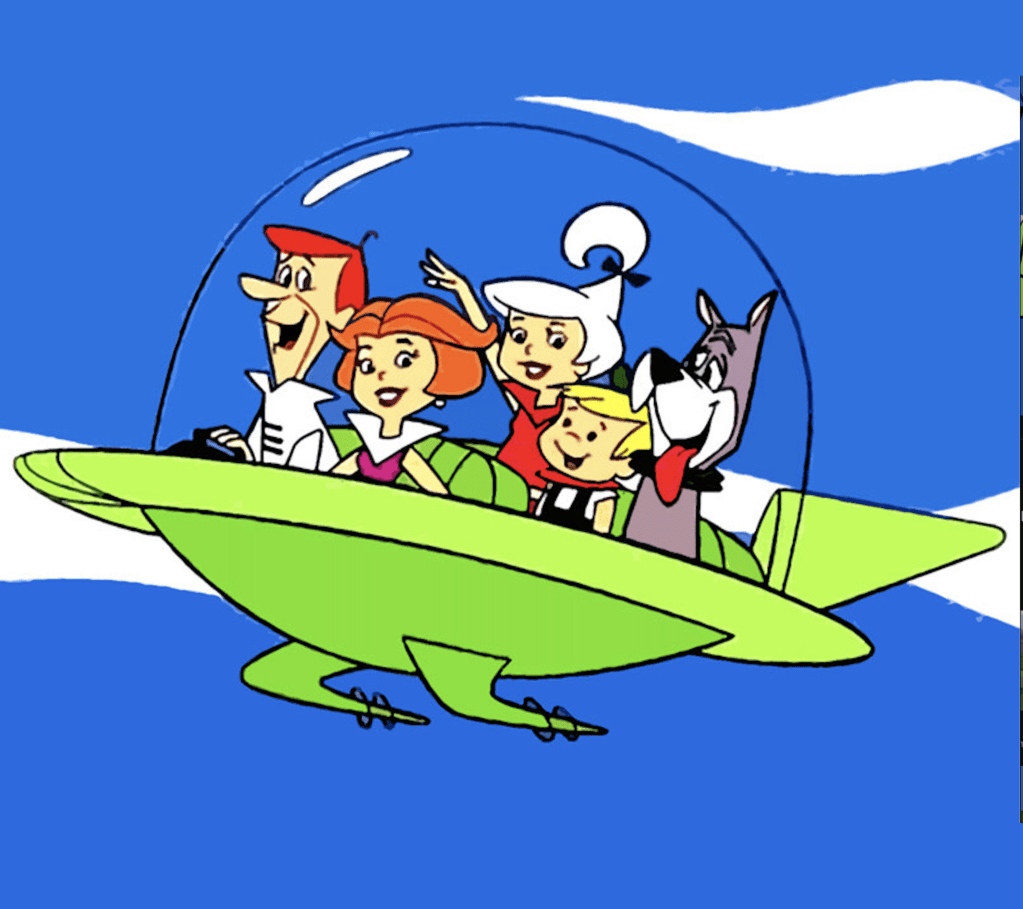
As a member of Generation X, I was privileged to grow up with, among many other significant cultural touchstones, The Funtastic World of Hanna Barbera during my formative years (for me, age 9 through my teens). Two of my favorite cartoons from that series were the mix of syndicated and new episodes of both The Flintstones and their space-age counterpart: The Jetsons!*

Supposedly, we are watching the Jetsons living their lives in the year 2062, 100 years from the original series air dates (which means we are only 42 year away as of writing this in 2020). Of course, when I was sitting at home after school or on Saturday mornings watching these cartoons, I didn’t know what year it was supposed to be. It was just “the future.”

The Future

Growing up in the 70’s/80’s/90’s, the “Future” was always just around the corner, sometime in the next millennium. We made it past 1984 and that was doubleplusgood (of course, today in America is eerily similar…). Our parents kept us from watching 2001: A Space Odyssey until we were old enough to handle the suspense, but even as we approached the millennium and it’s Y2K scare, an unthinkably long-off year still grabbed out attention: 2020.

So let’s assume I was imagining that the Jetsons were flying around in 2020. It wasn’t that far of a leap, since in 1985, the movie Back to the Future promised us we’d have a Hoverboard as well as flying cars, in 2015. Five years seemed like plenty of time to build cities in the sky. Let’s compare the Jetsons vision with what we have today.

Video Phones

How many morning Zoom meetings have you wished for a Video Phone mask?

The video phone was certainly not a new idea, but the infrastructure and the technology of the 60’s (and event the 80’s in reruns) just didn’t make it practical. Video Conferencing technology bloomed in the 70’s and belonged exclusively to large multi-national corporations, the governemt, and the evening news. In the late 80’s the video conference began being marketed for personal use, but the technology required was very expensive, and you could only call someone who also had the same set-up. The advent and adoption of cellular telephones by the masses, and the freedom (imprisonment?) of always having a phone with you and always being available to be reached, superseded the wish for video phones. The first Smartphone came out in the 90’s, though they wouldn’t be connected to the internet until 2001. Around the turn of the century, cameras started being built in, though they acted as a single feature, like a Swiss Army Knife, not an integrated application. During this smartphone boom, video conference phones (hard-lined office phones with built-in screens and cameras) evolved and grew smaller, though they still required audio and data lines. It wasn’t until 2010 that FaceTime arrived and completely changed the way people spoke on the phone. We now carry video phones in our pockets and purses.

During this pandemic, those of us that work from home find ourselves on Zoom calls for 4-8 hours each day, causing “Zoom Fatigue.” In fact, it was a casual office Zoom meeting that started the idea for this post a few months ago. We were joking about having to shower and look presentable on screen, and I alluded to Jane Jetson’s face mask for the video phone. No one had a clue as to what I was talking about, so I pulled up the video clip above and made everyone watch it.

I wonder if, when we are all allowed to go back to the office, my colleagues will still call me on Zoom for a quick question, or if they will call. I hope they will choose to walk up to my desk: I do miss that.

With the technologies of Zoom, WebEx, and Facetime, we also get Telehealth or Telemedicine. I am not the first to recognize that The Jetsons foresaw this one, too. In some regions this practice has been going on for many years, but our current situation means that a lot more of us have experienced (or soon will experience) a virtual appointment with their doctor.

In both work life and medicine – do you think we will ever go back to the old ways, or will everything become a sort of hybrid of in-person & virtual?

Moving Sidewalks

Got ’em! They just haven’t moved from the airports to our living rooms, yet.

Smart Homes

Got ’em! And people who recall “Big Brother is Watching You” from 1984 are worried. Anyone who enjoys science fiction already knows the inherent and inevitable dangers of toying with Artificial Intelligence (AI). We can only hope that the creators of our future Robot Overlords will remember Isaac Asimov’s Three Laws of Robotics:

  1. A robot may not injure a human being or, through inaction, allow a human being to come to harm.
  2. A robot must obey orders given it by human beings except where such orders would conflict with the First Law.
  3. A robot must protect its own existence as long as such protection does not conflict with the First or Second Law.

Cities in the Sky

The Jetsons live in the Skypad Apartments in Orbit City. All the homes and businesses in Orbit City are built on columns that allow buildings to be elevated into the sky. The city is on Earth, but we never see the ground. I can find some theories based on one episode as to what exists below these columned platforms, but I offer my own here: water. The Earth in 2062 is flooded from global warming and the planet-covering ocean is polluted with trash and plastics. Any “ground” we see would be another platform that has been terraformed to be a park (all food is made of pellets that turn into food – I assume you don’t need real food to make those).

Bleak? Maybe.
Intentional? Absolutely not.
But pretty prescient, you have to admit!

Flying Cars

Flying Car sound can be found here – of course, if you’ve ever seen the show, you heard it in your head as soon as you saw the picture… or you are making the sound right now.

We may not all have flying cars, but we’ve been promised they are coming for some time without actually getting them. Maybe we have to wait to be living in the sky city, where they would definitely be needed, before they are a priority.

Utopia(?)

Some major and glaring problems with The Jetsons today is its lack of racial diversity and treatment towards women. The Jetsons were originally created by, and reflect the ideals of, those who held authority in 1962 America: white men. There are absolutely no discernible people of color to be found at any time – even in crowds. The show was the product of the post-war American Dream and tried to emulate that. Unfortunately, at the time, that meant excluding people of color – as they were systematically excluded from this dream (EDIT: I found this amazing article after posting this part!). In this current world of Black Lives Matter (BLM) and growing, yet still insufficient, visibility for People of Color (POC) in the media, The Jetsons are blindingly white. As science teaches, modern humans emerged dark-skinned from the cradle of civilization and we will soon evolve to be the same.

Jane Jetson’s profession is listed as Homemaker. The only socially acceptable profession for a woman in this era. As with most female characters written by men, she is a cookie-cutter character: she raises the children, is obsessed with shipping and gossip, and is overwhelmed with housework (see the Rosie video below for more on that). Jokes and gags revolve around her getting her hair done, going shopping, her bad cooking, etc. In a fully-automated, push-button world, why couldn’t she have a career? George is a “Digital Index Operator,” which means he turns a computer on and off with his finger. In the real world, we know that Jane is doing all of the work, and George is getting the credit for bringing in the money.

Elroy in his personal flying pod, being delivered to school.

In the trailer, we see Elroy (the youngest) placed in his personal pod and sent off to school. This adorable post-war American Dream Nuclear Family vision grew out of the move of the populace from the cities to the suburbs, where Father, going off to work in the Big City, could drop his child off at school on the way. What a lovely, wholesome image. What do we have, instead, in 2020? Now we have children in cages.

Image: Migrants are seen outside the U.S. Border Patrol McAllen Station in a makeshift encampment in McAllen
NBC News

Authority

The Police on The Jetsons were all bumbling idiots. Harmless because of their ineptness.

Police brutality is such a systemic and global problem, that there is an entire section of the Encyclopedia Britannica devoted to it. In comedies and cartoons, the police are almost always portrayed as bumbling idiots or blowhards and in serious dramas, they are usually crooked. This has been the case since the advent of moving pictures and continues today.

When something becomes a trope, it means it’s moved beyond the agreement of the few and become an accepted, wide-spread belief.

Then there is this: https://www.ajc.com/news/nation-world/portland-oregon-mayor-tear-gassed-by-feds-during-police-declared-riot/BG7OJN3U2BAGXC52BAZQNX2ITI/

In Conclusion

Maybe our vision of the future has never been 20/20 (I know you were waiting for that pun). If 2020 were a person, I wouldn’t blame them for shutting down and sending coronavirus, murder hornets, jellyfish, and other plagues at us. We put too much pressure on 2020 to be the year of the future, and yet we seem, in some regards, to be reverting back to the past.

Please accept, on behalf of all of the humans, our humble apologies for expecting too much from you, 2020. Please sit back and relax with some trash TV and maybe some cookies, and call-off your plagues. We will set our sites on another future where Equality and Justice are more important than flying cars.

I hope this had served as an enjoyable distraction for you, and perhaps you learned something or were exposed to some new information. I’m sorry to end on such negative (though real) issues, so here is an Opus on the appreciation of Rosie the Robot:

The Ideal Maid

I’d love to hear your thoughts on “Promises of the Future” that you envisioned for 2020 (or earlier) that have or have not come to life. Please comment below.

*BONUS: while doing research for the dates and links, I found out about The Partridge Family 2200 A.D. for the first time. The concept was began as a 1974 studio pitch for a reboot for the original Jetson family, but 10 years in the future. Some studio exec decided, instead, to create a spin-off of the recently cancelled Partridge family. Far out!

Selfish Thoughts or Gratitude?

Last year, I lost my mother in May, my boss lost her father in August, and then I lost my aunt (my Mom’s sister) in November (on the same day my father had passed 9 years earlier). All of them had dealt with illnesses that had tinged the dark, deep grief with a dim glow of relief that they were no longer suffering. At the time it feels wrong to have that little glow of relief, but I have learned to accept it. Now, when a friend is grieving in the same way, the comfort I can offer them is the acknowledgment that this dichotomy of emotions is not only healthy and valid, but can be tapped into to gain the strength to get through the celebrations and obligations that are part of this process.

We have seen a few friends lose parents or siblings during this global pandemic and systemic lock down, and my heart always grieves a little deeper for them. In most cases, the person who had passed had done so alone in forced isolation, some from COVID-19 in a painful and horrible way, alone and without the basic comfort of human touch.

One day, I woke up with a thought:

Is it wrong to be glad that my mother died last year, and not during this pandemic?

I felt bad even thinking such a thought. Obviously, I’d rather still have my mother alive, but she was living in an assisted facility in the last stages of Alzheimer’s Disease. She would have been isolated, at high risk, and confused during this pandemic. We would not be able to visit, and she would not be able to understand us on the phone, or recognize us on the other side of a window. Also, if she died during this pandemic, we would not be able to gather as a family to grieve together.

So is it wrong that I am grateful that she did not hang on to die during this pandemic?

I had this conversation with my boss (a former psychiatrist), and she agreed. If her father had held on, she would not have been able to fly to him, or be with him as he passed. She agreed that it was a conflicting feeling, but that we were both valid in our gratitude.

Well maybe that is valid, but what about…

Four years ago, I was laid off/bought-out of my Booking Agent position. I have already expressed how blessed and lucky I am to be able to work from home, but I have watched the live entertainment industry adapting and cannibalizing itself, and think: thank the gods I am out!

Perhaps it speaks volumes that I feel badly for the artists that are suffering but I feel little sympathy for the agencies, management, or record industry. You would assume there would be some schadenfreude, but I really will feel horrible when agencies or management companies, especially those that have worked for 40+ years in the interest of the artists, start to fold. I know of one or two that will not be able to recover from these cancellations and 18-24 month postponement of payments. I should feel vindicated, but I only feel sad and worried.

Who is to say what s right and wrong? Who is to determine whether one’s feelings are valid or not? I will: You. You are the only one to answer these questions. And you are the only one to forgive yourself or allow yourself to feel the way you truly feel.

We all need to trust our feelings, especially now during this troubling time.

Trust in yourself.

Trust in your feelings.

Trust that you know yourself better than anyone.

Trust.

Choose Your Own Adventure

In life, we are faced with many choices.  Some of them are easy to make, and some seem utterly impossible.  When it comes to the choice of Life or Death, how do you choose?

ANCIENT HISTORY TO MODERN DAY
Euthanasia (from Greek: εὐθανασία; “good death”) may have been standard practice long before the Greeks gave a name to it, or Socrates sipped his hemlock, and it’s clear that it was not unique to that region.  The Japanese practice of Ubasute (abandoning the elderly or infirm on a mountain to die), Serbian Lapot, the Norse/Germanic Attestupa, and on and on…

In God on Trial, Rane Willerslev describes the practices of the Chukchi People of the Russian Arctic:

Among the Chukchi, human sacrifice is, as a matter of ethnographic fact, a customary practice. In the early ethnographies, it goes under the name of “voluntary death,” and it involves the killing of a close family member—often ill and aged—who expresses a wish to die (Borogas, 1904).

Willerslev argues that this Chukchi practice is really just human sacrifice, equating it with the story of Abraham’s binding of Isaac in the Hebrew Scriptures. His basis for this argument is that they are both based on faith (and/or trickery), and therefore a sacrifice, not a mercy killing.

The history of these ancient practices in our subconscious, along with our modern, societal psychological hangups around aging, have given rise to a plethora of dystopian fantasies revolving around this premise: Logan’s Run, Star Trek: The Next Generation, Stargate AtlantisBoomsday, to name just a few.

For “assisted suicide” (voluntary active euthanasia) and its debate, one needs only search the internet for the controversial Dr. Kervorkian.

The argument for or against legalized euthanasia could (and does) fill several million articles and blog posts, and the ethics of it leads to extremely personal and volatile discussion, but that’s not what I’m here to talk about.  I am writing about voluntary passive euthanasia, as it has popped-up a lot in my life in this last year.

VOLUNTARY DEATH
 Life’s like a movie: write your own ending…

SUFFERING:
My husband’s grandmother was either 103 or 106 when she died (her birth records were lost in a fire, and being a lady, she never told her true age).  She survived 2 world Wars, 2 husbands, and witnessed the dawn of 2 centuries.  Towards the end, she was very frail, and depended on others to take care of her.  Her sight and hearing were failing, and it was extremely hard for her to get around.  Many times, she was heard  lamenting “Why won’t God take me?”

CHOOSING:
A friend of mine just lost her father. He was 98 years old. A war hero, a beloved doctor in his community, and a widower for over 30 years, his last few months were filled with friends dying, subsequent bouts of depression, and infections that caused balance issues.  One fall resulted in a broken neck that, at his age, would never heal. It required wearing an uncomfortable neck brace 24 hours a day, taking away his comfort and his ability to drive or to take care of himself.  When they found a possible melanoma on his back, he decided not to get it biopsied. “If it’s cancer, so what?” he said. “I’m 98 years old. Why fight it?”  His doctor and his daughter (a doctor herself) agreed.  When an infection caused him to be bedridden, he made the conscious decision to stop fighting altogether. He stopped eating and was given basic palliative end-of-life care so he could be comfortable. He passed away on his own terms, and in his own time, surrounded by his family.

A NEW TREND?:
Currently, a close family member and a friend’s mother (both in their 80s) are going through eerily similar circumstances. Both have different forms of cancer that have metastasized and entered their lymph nodes.  In both cases, radical radiation or chemotherapy might help, but the prognosis is not clear, and the treatments would come at a high cost (both physically and financially).  Both have decided not to undergo these treatments.  They both know the consequences, but have weighed their options and decided on quality of life over quantity of life.  Understandably, their families are devastated, but having witnessed countless others suffer during treatment only to succumb to the disease, they are (reluctantly) accepting of this decision.    

I wonder if I would make the same decision, or if I could allow someone close to me to make that decision without a fight.

PERSONAL CHOICE:
My parents both died of complications from Alzheimer’s Disease.  Odds are, if I live long enough, that I will face that same dreadful curse.  Should that time come, I honestly don’t know what I would choose.  Practicality says “Think of the pain (to myself) and the burden of care (to my family, to our finances) that I could avoid.” Human Nature reminds me to be scared of Death, and Hope wants to hold out for a cure that could come down-the-line.  For me, there is the added burden that Alzheimer’s is a slow and drawn-out demise.  So I would be faced with the added question of “When would be the right time to go?”  I think that would be more important than the how.

“To die will be an awfully big adventure.”
― J.M. Barrie, Peter Pan

MISC. RELATED LINKS:
Cost of Treatment in Medical Decision Making?
The High Cost of Dying
Cost Analysis of Medical Assistance in Dying (plus this article)
The High Cost of Cancer Treatment – AARP
When Fighting Cancer isn’t Worth It
Alzheimer’s Death – Being Patient
Gene Wilder’s Wife on Caring for Someone with Alzheimer’s
Robin Williams – “The Hardest Role of His Life”
6 Questions to Ask Before Writing a Living Will


I’d love to hear your thoughts on this.  Do you have any experience with a loved one choosing death over suffering?  Do you judge those that consider it (voluntary euthanasia)?  Would you, yourself, consider this choice if the situation arose?  Could you choose for someone that couldn’t choose for themselves (involuntary euthanasia)?  Do you have a DNR (do not resuscitate) order or a Living Will?


EDIT: I promise, the next post will be something happy and uplifting.
I put that Muppet Movie video in there to lighten the mood a little bit…

Please don’t…

… finish my sentences.  I am 100% sure you do not know what I’m going to say.  It makes you look pushy, or bored with the conversation, or just like an asshole.  I understand that people do this to impress upon you that they have a superior intellect and that they are not only following-along with what you are saying, they already know everything about it.

… yell at me when I’m trying to help you.  If you’ve asked for my assistance and I am giving it to you, don’t take your frustrations out on me when I can’t understand what you are asking for.  I understand you are frustrated and angry with yourself and your situation, but the person helping you should never have to deal with your misdirected anger.

… wait in front of the train door when people are trying to get off.  You will get on, but only if you let us make room for you by exiting the car.

I don’t want to be negative, but there are certain behaviors that make me question how people have gotten this far in their lives without being told that these behaviors are unacceptable or rude.  I have already railed against self-important, blameless people, but it seems to be becoming the norm to be someone who is so outwardly self-centered, yet (ironically?) the exact opposite of self-aware.  Perhaps I am blessed to have had the time, resources, and opportunities to examine my own life choices – my temperament, my faults – maybe most people do not have that luxury?

Know thyself not Know thy selfie.

Is it because no one has challenged them up to this point?  Is that why they continue (or even start to develop) these behaviors?  Why is it tolerated in today’s society?  Are we so beaten-down by the daily news, or numb from being inundated with social feeds of people excelling (or, with schadenfreude: failing) in their lives?

i’d love to hear your thoughts.

The “Not My Fault” Generation

Like Beetlejuice, Bloody Mary or the Candyman, simply speaking their name can conjure-up an assumed attack, so I won’t use the “M” word.  Besides, I don’t have to, you knew who I was referring to just from the title, didn’t you?  Take a moment to think about that, whichever generation you may belong to.

Generations are always at odds about something.  From the dawn of time, the older generations think the younger are lazier or less (insert anything here) than they were.  The younger generation thinks the older generation is behind-the-times or too conservative.

Full disclosure: I am from Generation X (the latter end, though too early to be an Elder Millenial).  Am I supposed to blame the Baby Boomers for everything that is wrong?  Growing up, we heard a LOT about the Boomers, presumably because there were so many of them and because they held the power of the media at the time.  Some started young and had large families, and others had careers before they had children, so our generation spanned a wide range of older groupings and younger only children.  We also had a significantly larger number of us raised in single parent homes than the generations before us.  Personal observations have taught me that children from big families are polarized when it comes to raising their own families, depending on their own experiences.  Some had wonderful childhoods and want the same large unit they had.  Some had less-than-happy childhoods, so they limit their children to 1 or 2.  We definitely had a drop in fertility rates and statistically, the average family is still getting smaller.

Infertility treatments became a big business on the cusp of the generational switch in the late 70’s/early 80s, and continues to grow with seemingly no end. As technology improved, families should have been growing for GenX, not shrinking.  Is it because our generation waited to have children until their careers and homes were established?  Later (aged 35 or older) pregnancies come with increased risk and high medical cost, especially if treatment is needed, so late-in-life families tend towards sole child households.  These children are usually referred to as “miracle babies.”

It should come as no surprise that these miracle babies would be raised to be overprotected, overpraised, and sometimes overly criticized.  They represent a significant, and often painful, physical and financial investment, and are sometimes treated as such. Though not a new concept, GenX perfected Helicopter Parenting.  Can we blame them for an assumption of privilege or self-entitlement?  We have coddled a majority of this generation and done them a disservice when it comes to taking action for themselves or taking responsibility.

This report from the Pew Research Center shows that, financially, they are exceeding previous generations at their age, yet the media tells us that they can’t get jobs, or will not work because they won’t take jobs that are beneath them.  I have witnessed young job applicants that assume they are entitled to a senior-level salary directly out of college.  Perhaps schools need to teach more about starting salaries and advancement opportunities instead of teaching them that their career will start immediately.

Did we create this? Are we to blame for their Me Me Me behavior? Technology? Social Media?

To go back to this piece, the writer comes right out and says:
Stop blaming us for our issues when it was partially the fault of those who came before.

I will give him credit for including the word “partially,” yet there is still never an admission of his own fault.  It’s alluded to, but never addressed.

There are a few people here in town from this generation that are very active on social media and treat it as if their ~400 friends are actually millions of followers and that they are significant cultural leaders or celebrities.  You know the type – they ‘like’ or react to their own posts, and write them, as if for Buzzfeed, with leading and vague elements to drum-up interest.  One (let’s call him Jack) recently lost his job because he posted a libelous fake review on Yelp for another business, calling the owner homophobic, among other things.  He thought this was acceptable behavior because the business owner had given him a fake review that brought down his personal rating (rather than dealing with it the mature way).  The business owner told Jack’s boss about it, and the boss fired Jack (rightfully so) for the behavior and its reflection on her business.  Jack took to social media to tell his side of the story, pleading with his followers not to be mad at his former boss, blaming the other business owner, and taking none of the blame himself.   Now, Jack is licensed by the city.  He, again, went to social media to publicly accuse the licensing department of discrimination (he is bisexual) because they were refusing to renew his license.  Once again, he is not to blame for anything – everyone else has done this to him.

I have worked with two different strong career women (both technically of Baby Boomer generation) that used various methods to conceive a late-in-life first (and only) child.  Both of them treated their daughter like princesses, and both young ladies are now in their 20s, extremely sensitive to any minor inconvenience, and utterly spoiled.  I had known one of them since she was a baby, and I watcher her mother fawn and bow-down to this child (the few times a day she wasn’t with the nanny) to the point that the teenage daughter was essentially in control of the relationship and had her every whim seen to.

I’d like to think that each generation learns from the two before it and the one after it.  GenX is taught by the Boomers in response to what the Boomer’s saw were our Grandparents’ mistakes.  GenX then teaches this generation based on what we saw were the Boomer’s mistakes, and we grow based on what we learn in this ‘experiment’ of raising a next generation.

How will this generation react to the “Z Generation” when they come of age?  Will GenZ even come of age with Anti-vaxxers, multiple wars, drug-resistant infectious diseases, global warming, pollution…

Well, that’s depressing, so here’s a tongue-in-cheek ending:

“Get off my lawn!” will soon evolve into “Get off my semi-biodegradable, sustainably-dyed astroturf-made-of-89%-post-consumer-waste!”

What are your thoughts?