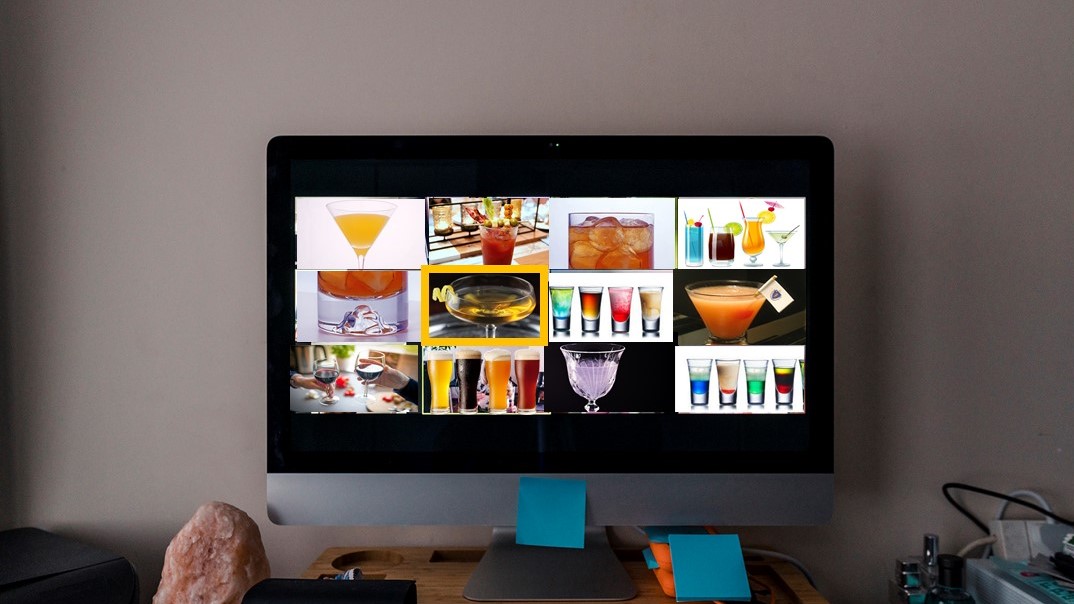
Probably, like me, you thought Virtual Happy Hours were a good idea for keeping-up morale and for giving a forum for casual, non-work conversations. It was a place for the water cooler talk, where you can catch-up on gossip, and maybe overhear some tidbits and gain insights into projects you were all working on separately.
For us, the first few went well and were fun for everyone participating. Then Zoom Fatigue kicked in, and the last thing anyone wanted to do was to spend even more time in front of the computer, even if it was for a (some would consider forced) social call.
When we started, it was great to see and interact with those colleagues that I didn’t directly work with, but had shared an office space with in The Before Time. We all had stories to tell, and lots to catch-up on, so it had an easy, casual flow to it. As the instigator, I felt as though I always had to host this virtual open house party, so I would diligently pour myself something to sip, fill my water bottle, adjust my lighting, and sign on early. I would minimize the screen and continue working on a project until someone else signed on, or I would completely shut-down work so I wouldn’t look at it, as if we were actually meeting at a bar.
After an initial success, attendance eventually dropped down to the same 3 or 4 of us. Two of us saw each other several times a day, so we relied on others joining. Sometimes there was an existing work tension between some of the people that logged on. In a larger group, that would have been diluted, but more than once I was the the one on the virtual bar stool between two warring factions. I was Switzerland. When it became the same group every time, we started cancelling them more often, making them less frequent, or tried to change the day and time to accommodate others. When that failed, they just ended.
There are a few valuable lessons and skills I observed while hosting these drop-in sessions that can work to make awkward social gatherings (virtual or otherwise) FLOW better for everyone:
Facilitate the discussion. Be the unobtrusive host, if there isn’t one identified. As an extrovert surrounded by introverted friends, I have learned how to keep parties going by identifying those that would be comfortable engaging in conversation, and sprinkling seeds about things they get excited or talkative about. Bring like-minded individuals together by bringing-up something you know about each of them that they didn’t know they had in common. Coerce a story you may have heard a million times out of someone in front of a timid audience that hasn’t heard it. Don’t force, but facilitate smooth, relaxed conversations.
Listen when someone is speaking. This seems like a no-brainer, but so many people are bad listeners. We all know someone that loves to hear themselves speak, or lives to one-up every story. They are typically the ones that ask “How was your weekend?” only so they can tell you about theirs. You can see them waiting for their turn to talk. In a Zoom meeting, you can see everyone (in gallery view) at the same time. That means that when I am talking, I can clearly see you checking your email, texting or playing a game on your phone, or talking to someone off-camera. Think of how incredibly rude it would be if we were all in person and you opened your laptop or started playing a game on your phone in front of the person talking. Just because this is a social situation, and you are interacting virtually, doesn’t mean you have to be disrespectful. Listen to each other and be present where you (virtually) are.
Own what you say, be open to new ideas and respect other’s opinions. These go for everyone at any time, not just at happy hour. Again, you’d think that this is pretty easy and straight forward. If you are going to state your own opinion, then make sure you mean it, because others will disagree or have differing opinions they will share. Don’t spout off some popular opinion that you don’t really believe, as you may just get called on it, and don’t be absolute in your opinions. If you say “Grape jelly is the only appropriate choice in a peanut butter and jelly sandwich!” you had better be sure about it because someone else will say “No, strawberry!” or “Almond butter and orange marmalade is better.” be respectful and open to other opinions. (To make this ‘argument’ more realistic, insert ANY political opinion)
Work should stay AT WORK. This is a hard one. Think of What Happens in Vegas Stays in Vegas. – use this time to unwind from work. Don’t use this time to complain about your job, or, more importantly, about other workers. Unlike the aforementioned Vegas slogan, what is said in the (virtual) bar, could easily find its way to the office – to a boss or to the one they are talking about. This should be a time for office bonding. It is acceptable to bond over workloads, or Mondays, or long weeks, etc. but steer clear of specifics, especially if they could break bonds. Two people complaining about a co-worker with three others over drinks could easily become five against one when everyone returns to the office. That’s not the type of bonding you want. Stick to non-work discussions.
Have you hosted or participated in a virtual social situation for work? With the holidays coming up, I assume most of us will be forced to attend at least one. I’d love to hear your thoughts or any tips and tricks you’ve learned in the comments below.
Bartender! Another round, please.
 Small Stuff